
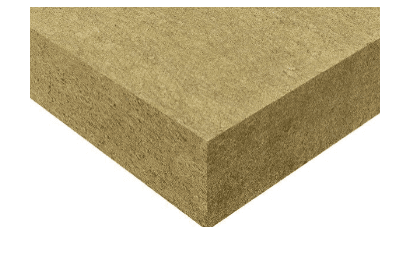
Recycled Rockwool
Rock wool is a insulation material made from spun mineral wool, derived from volcanic rock and slag. It is known for its excellent thermal resistance, soundproofing capabilities, and fire-resistant properties.
هذا عنصر على مستوى المشروع — السعر يعتمد على الموقع والكمية والتسليم. أرسل طلب عرض سعر وسنعود إليك خلال يوم عمل واحد بعرض مفصّل.
Description
Technical Characteristics
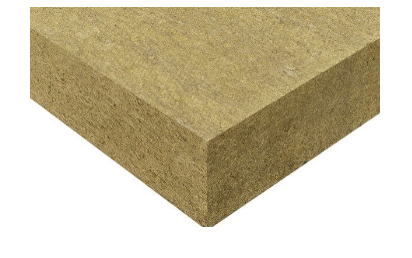
Board Dimensions: 1x0.5m (0.5m2)
Density: 110/120 Kg/m3
Thermal Conductivity: 0.043 W/(mK)
Available thickness: 25/50mm Ask for other thickness
Anti-Vibration Applications
HVAC systems: Cork mats or panels can dampen vibrations from air conditioning units, minimizing noise pollution and enhancing occupant comfort.
Boilers and Mechanical Equipment: Applying cork around boilers or machinery reduces vibrations and operational noise, contributing to a quieter building environment.
Floating Slabs for Car Parking Decks: Cork is used as a decoupling layer beneath floating slabs, absorbing vibrations from vehicle movements and reducing structural noise.
Factories and Industrial Machinery: Cork’s damping properties help isolate vibrations from heavy machinery, improving worker safety and reducing structural wear.
Thermal Insulation Applications
Green Roofs and Flat Roofs: Cork boards provide thermal insulation, helping to regulate indoor temperatures and reduce energy consumption.
ETICS (External Thermal Insulation Composite Systems): Cork is used as an insulating layer to improve energy efficiency and thermal comfort.
Cavity Walls: Cork inserts or layers enhance thermal performance by reducing heat transfer through wall cavities.
Other Applications: It can be incorporated into flooring, wall linings, and roof assemblies to improve overall building insulation.
Key Benefits
Natural Vibration Damping: Significantly reduces transmission of vibrations and noise, improving comfort and acoustic performance.
Thermal Efficiency: Provides high-quality insulation that lowers energy costs and enhances sustainability.
Sustainability: As a renewable resource harvested from cork oak trees, Amorim Cork promotes eco-friendly building practices. It is biodegradable, recyclable, and contributes to carbon sequestration.
Durability and Flexibility: Resistant to moisture, pests, and decay, ensuring long-lasting performance across diverse applications.
Environmental Impact: Using cork supports sustainable forestry, with cork harvesting being a low-impact process that encourages biodiversity and forest preservation.
المورد
EcoShift